

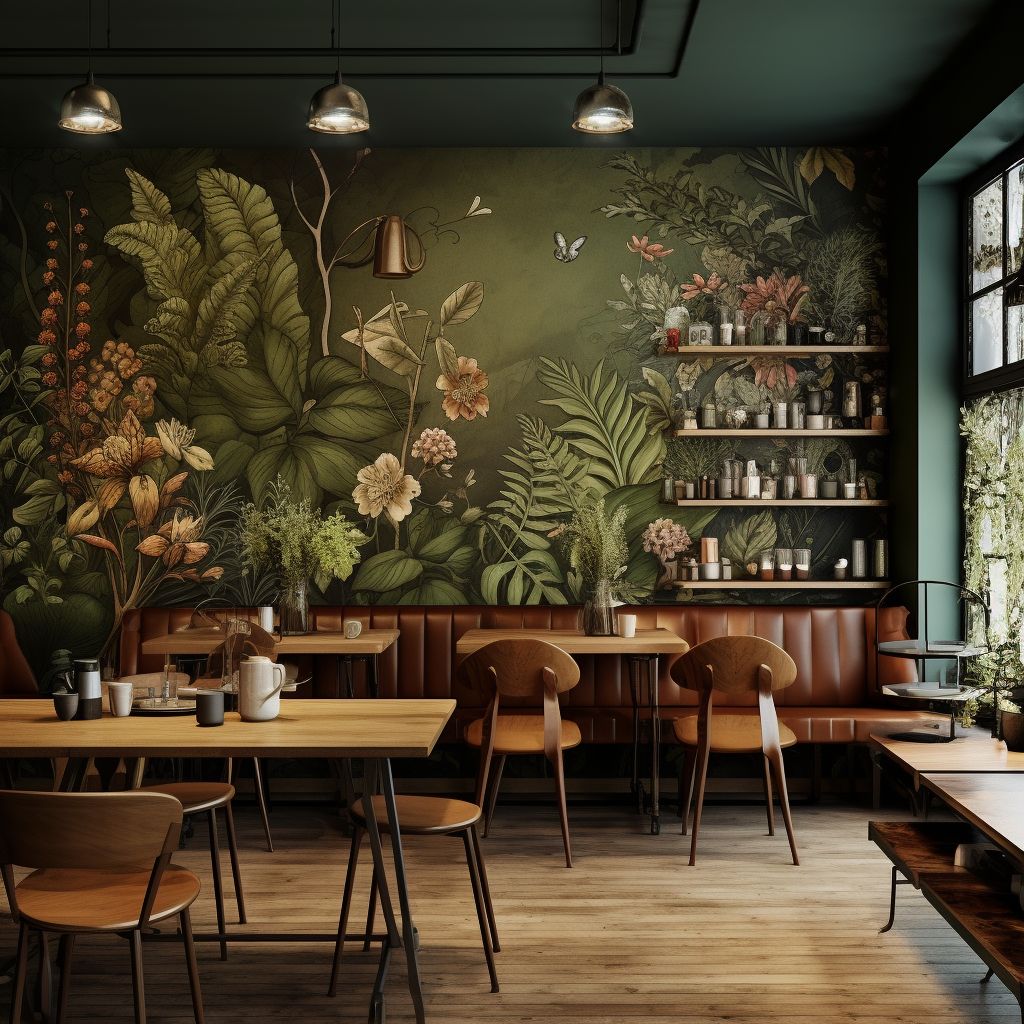
Restaurant Interior Design Concept That Work: Proven Ideas to Attract More Customers
Restaurant interior design plays a crucial role in shaping customer experience, building brand identity, and increasing sales. A well-designed restaurant not only looks visually appealing but also creates an atmosphere that encourages guests to stay longer, return often, and recommend your space to others.
Whether you’re opening a new café, fine dining restaurant, or casual eatery, choosing the right restaurant interior design concept can significantly impact your business success.
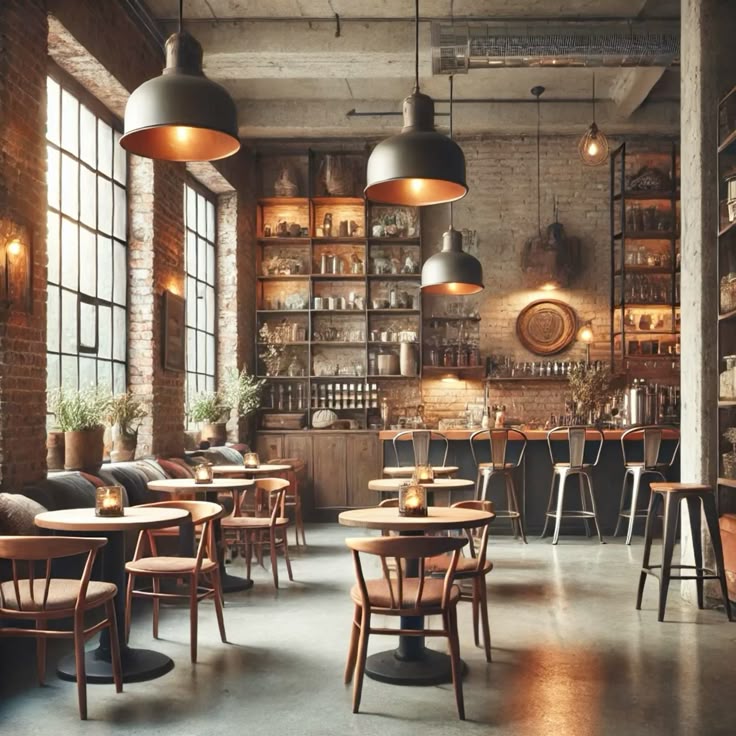
1. Modern Minimalism: The “Less is More” Approach
Minimalism remains a powerhouse in restaurant design. By stripping away visual noise, you allow the food and the company to take center stage.
-
Key Elements: Clean lines, neutral color palettes (whites, greys, and beiges), and high-quality raw materials.
-
Why it Works: It creates a sense of cleanliness and sophistication. For fast-casual spots, it suggests efficiency; for fine dining, it signals focused luxury.
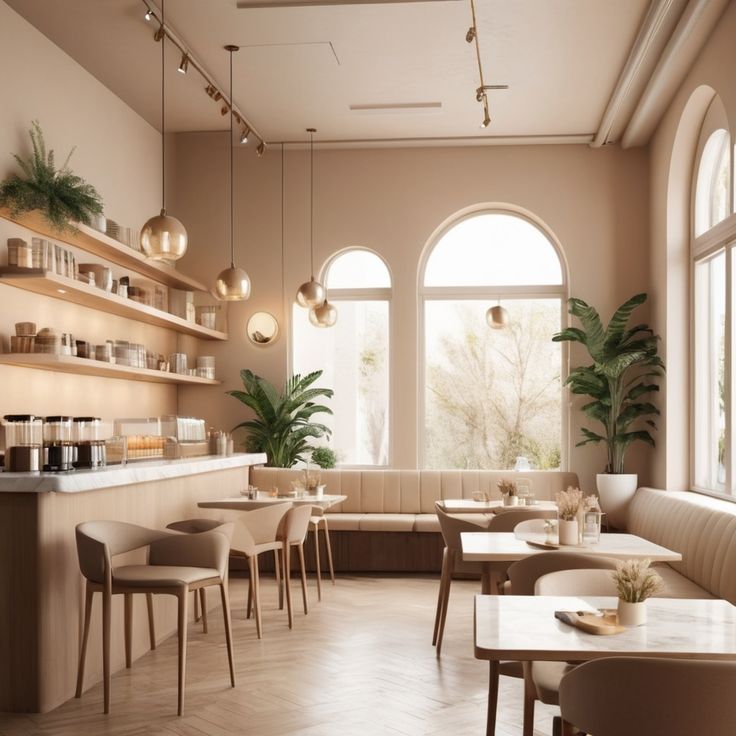
2. Biophilic Design: Bringing the Outdoors In
As urban spaces become more crowded, diners are gravitating toward “green” escapes. Biophilic design—integrating nature into the built environment—is more than just a trend; it’s a wellness-oriented design strategy.
-
Key Elements: Indoor “living” walls, potted Monstera or Fiddle Leaf Figs, natural wood textures, and large windows for maximum daylight.
-
Why it Works: Plants are known to reduce stress and improve air quality, encouraging guests to linger longer and order that extra round of drinks.
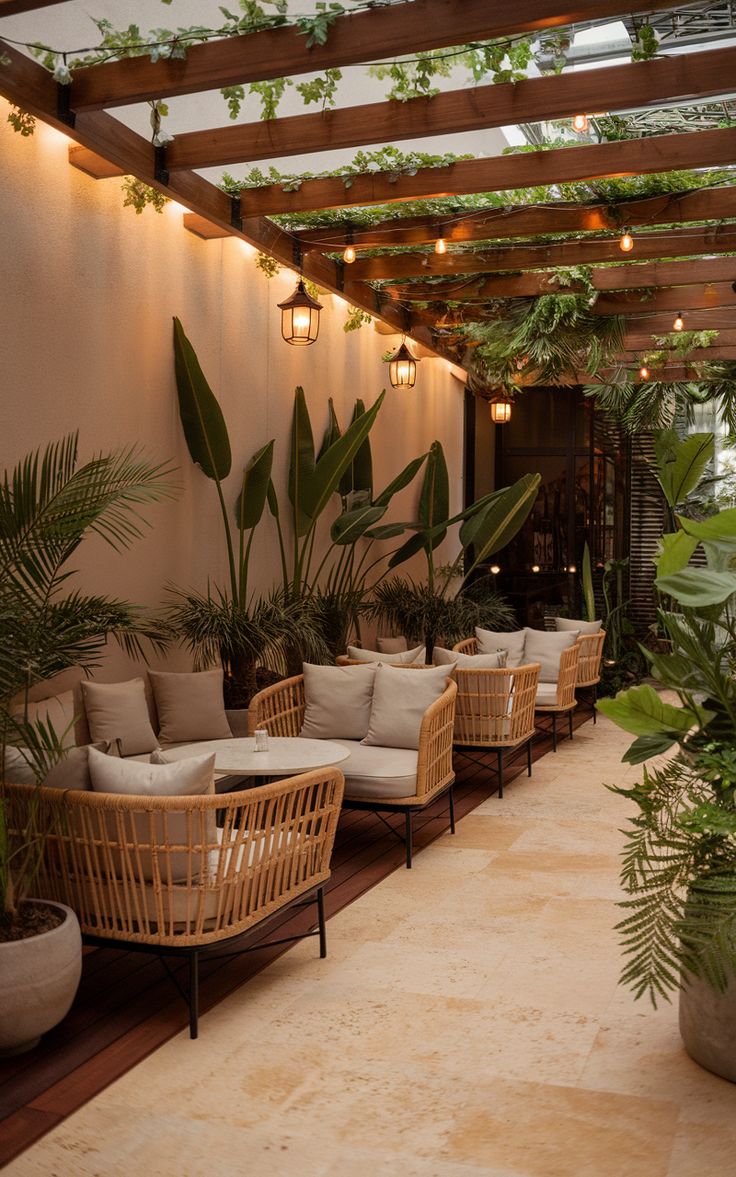
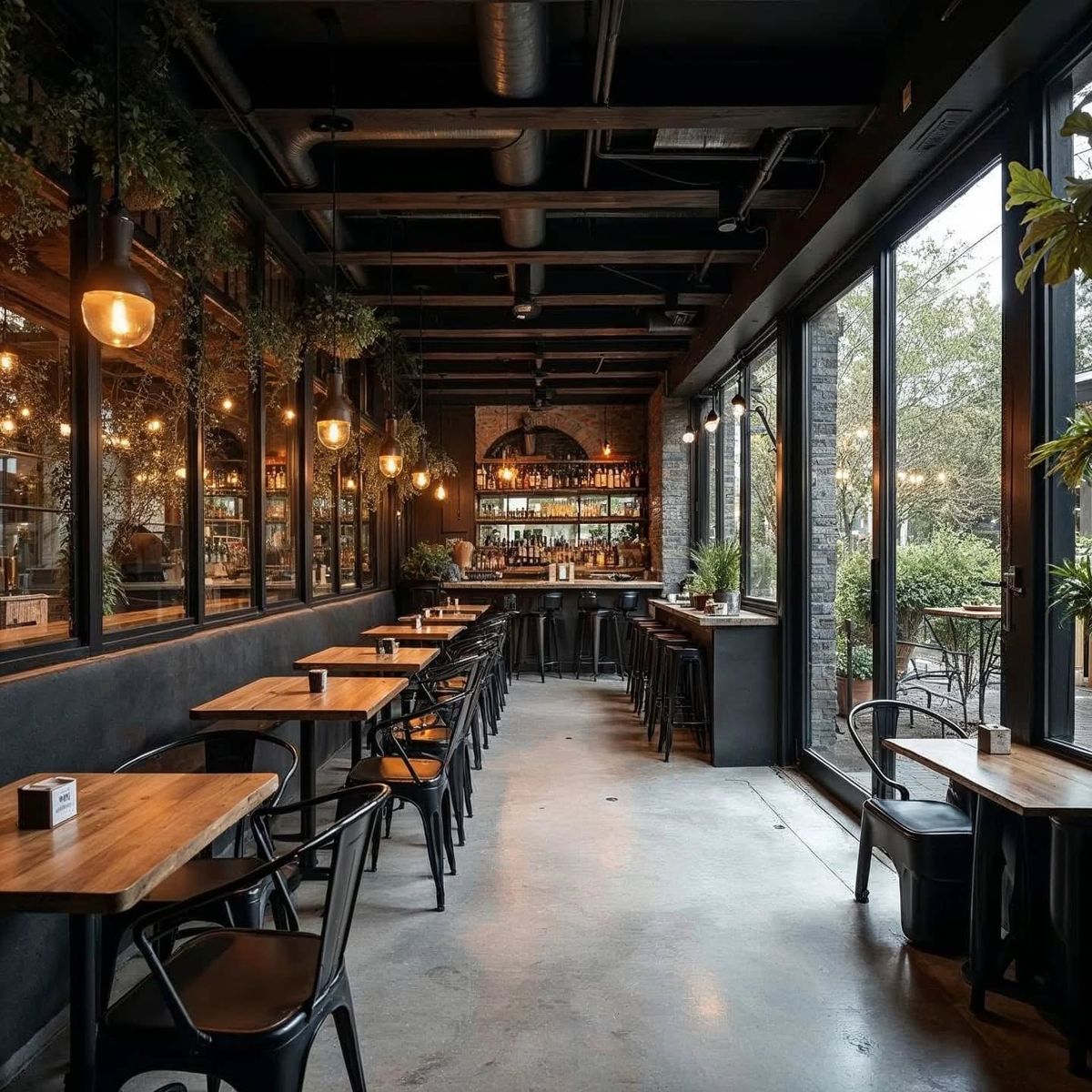
3. Industrial Chic: The Raw and the Refined
The industrial look continues to be a favorite for bars, breweries, and urban cafes. It celebrates the “bones” of a building rather than hiding them.
-
Key Elements: Exposed brickwork, visible ductwork, concrete flooring, and Edison bulb lighting.
-
Why it Works: It is cost-effective and creates a “cool,” relaxed atmosphere that appeals heavily to younger demographics and professionals seeking a casual hangout.
4. The “Japandi” Fusion
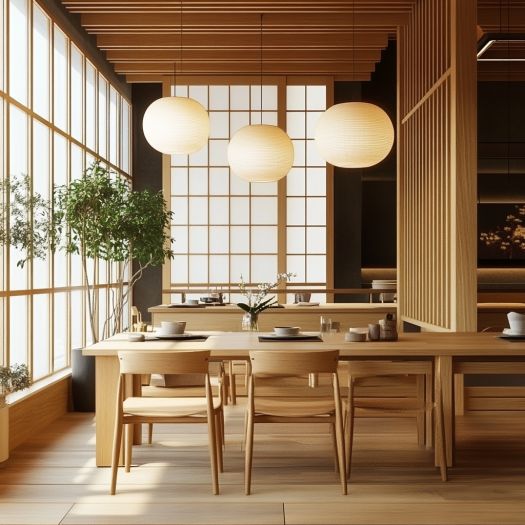
A blend of Japanese functionality and Scandinavian rusticism, Japandi is the rising star of 2026 restaurant interiors.
-
Key Elements: Low-profile furniture, light wood tones (like oak or ash), and a “wabi-sabi” appreciation for imperfection.
-
Why it Works: It provides a warm, cozy (hygge) feeling while maintaining an organized, Zen-like flow. It is perfect for sushi bars, tea houses, or high-end fusion restaurants.
5. Bold Maximalism and “Instagrammable” Walls
In the age of social media, your restaurant needs to be a backdrop. Maximalism uses vibrant colors and eccentric patterns to create a memorable brand identity.
-
Key Elements: Neon signs, bold wallpaper, statement lighting fixtures, and “statement ceilings.”
-
Why it Works: If a corner of your restaurant is beautiful enough to be photographed and shared on TikTok or Instagram, your customers become your marketing team.
Functional Design: The Secret Ingredient
No matter the concept, the most successful designs prioritize operational flow. Consider these three pillars:
-
The Golden Ratio of Seating: Balance the number of seats with enough room for servers to navigate safely.
-
Lighting Layers: Use ambient lighting for mood, task lighting for menus, and accent lighting to highlight architectural features.
-
Acoustics: Ensure your design includes soft surfaces (like upholstery or acoustic panels) to prevent the space from becoming a “noise tunnel.”
Investing in your restaurant’s interior is an investment in your brand’s longevity. By choosing a concept that resonates with your target audience—whether it’s the tranquility of a Japandi cafe or the energy of an industrial bar—you create an experience that lives long after the meal is over.