Month: February 2026

  • Best Small Kitchen Layouts for 2026

    Best Small Kitchen Layouts for 2026

    Smart, Functional & Stylish Ideas for Compact Homes

    Designing a small kitchen can be challenging, but with the right layout, even the most compact space can become highly functional and visually appealing. Whether you live in a Kathmandu apartment, a studio flat, or a compact home, choosing the correct kitchen layout is the key to maximizing efficiency and storage.

    This guide will help you understand the best kitchen layouts for small spaces and how to make them work beautifully.

    1. Single Wall Kitchen Layout (Best for Very Small Spaces)

    This is the most common layout in studio apartments and small Nepali homes.

    Features:

    • All cabinets and appliances on one wall

    • Compact and space-saving

    • Easy to install and budget-friendly

    Best For:

    • Studio apartments

    • Open kitchen + living room concepts

    Pro Tips:

    • Use tall cabinets up to ceiling height

    • Add open shelves for a lighter look

    • Choose light colors to make the space feel bigger

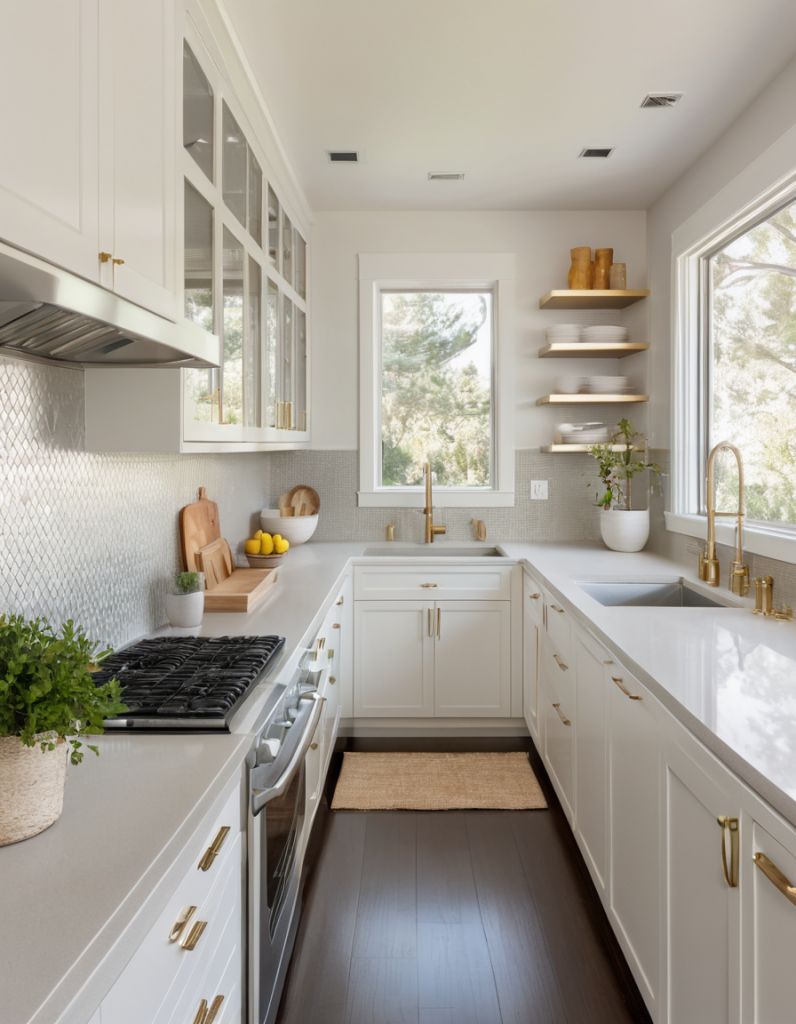
    2. Galley Kitchen Layout (Most Efficient for Small Areas)

    Also known as a parallel kitchen, this layout has two facing counters.

    Features:

    • Highly functional workflow

    • More storage than single-wall kitchens

    • Ideal for narrow spaces

    Best For:

    • Long, narrow kitchens

    • Homes that need maximum storage

    Pro Tips:

    • Keep at least 3 feet of walkway space between counters

    • Use handle-less cabinets for a sleek look

    • Install under-cabinet lighting for better visibility
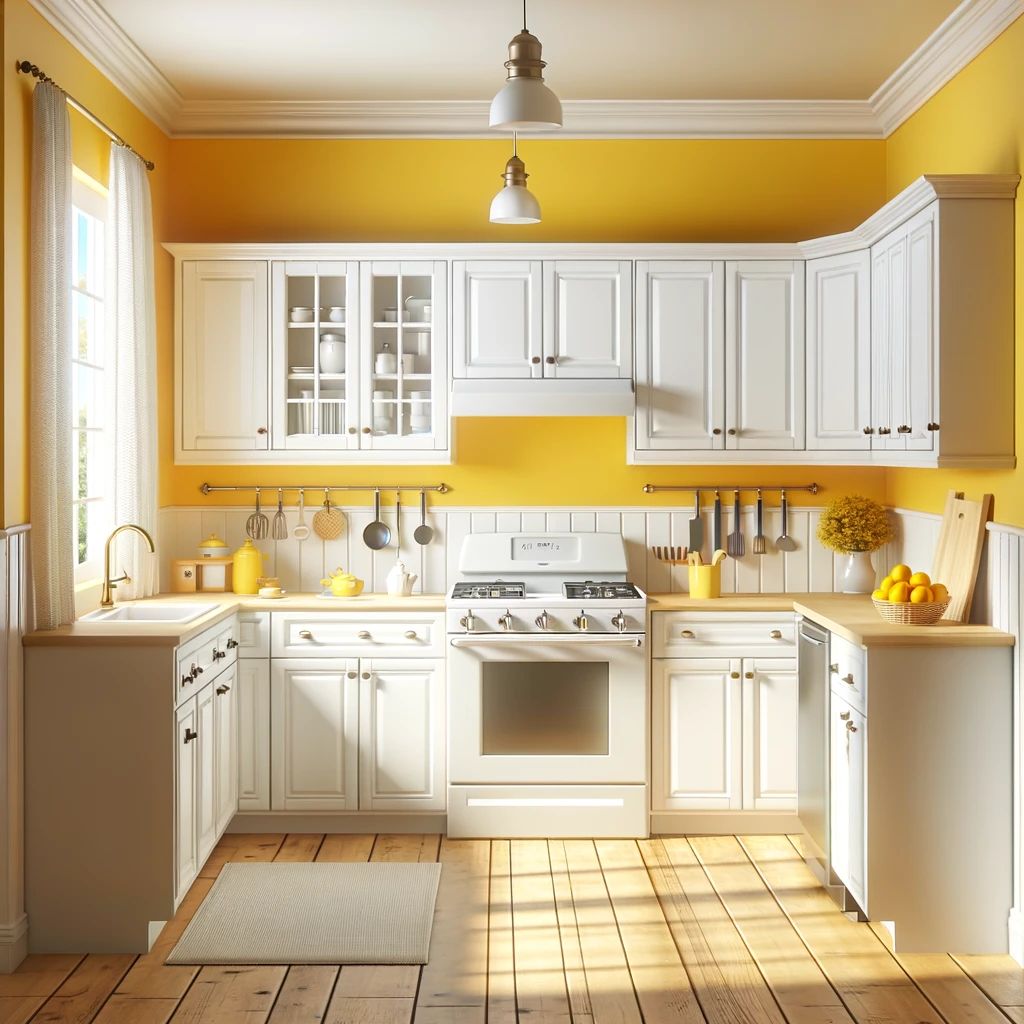
    3. L-Shaped Kitchen Layout (Most Popular Choice)

    This layout uses two adjacent walls and is perfect for small to medium kitchens.

    Features:

    • Efficient work triangle (sink–stove–fridge)

    • Open and airy feel

    • Allows space for a small dining table

    Best For:

    • Open-plan kitchens

    • Families who need more counter space

    Pro Tips:

    • Use corner storage solutions like magic corners

    • Add wall-mounted racks for utensils

    • Keep the upper cabinets minimal to avoid a bulky look

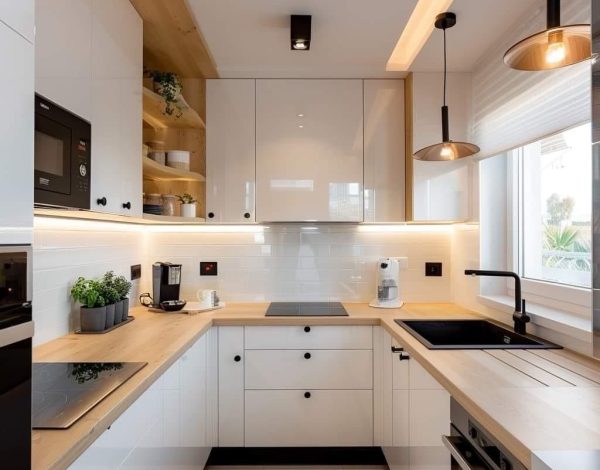
    4. U-Shaped Kitchen Layout (For Maximum Storage)

    If your small kitchen has three walls available, a U-shaped layout gives you the most storage and counter space.

    Features:

    • Excellent storage capacity

    • Efficient workflow

    • Dedicated zones for cooking, prep, and washing

    Best For:

    • Compact but enclosed kitchens

    • People who cook frequently

    Pro Tips:

    • Use light colors and glossy finishes

    • Avoid overhead cabinets on all three walls (use on two only)

    • Add good task lighting to prevent a closed-in feel
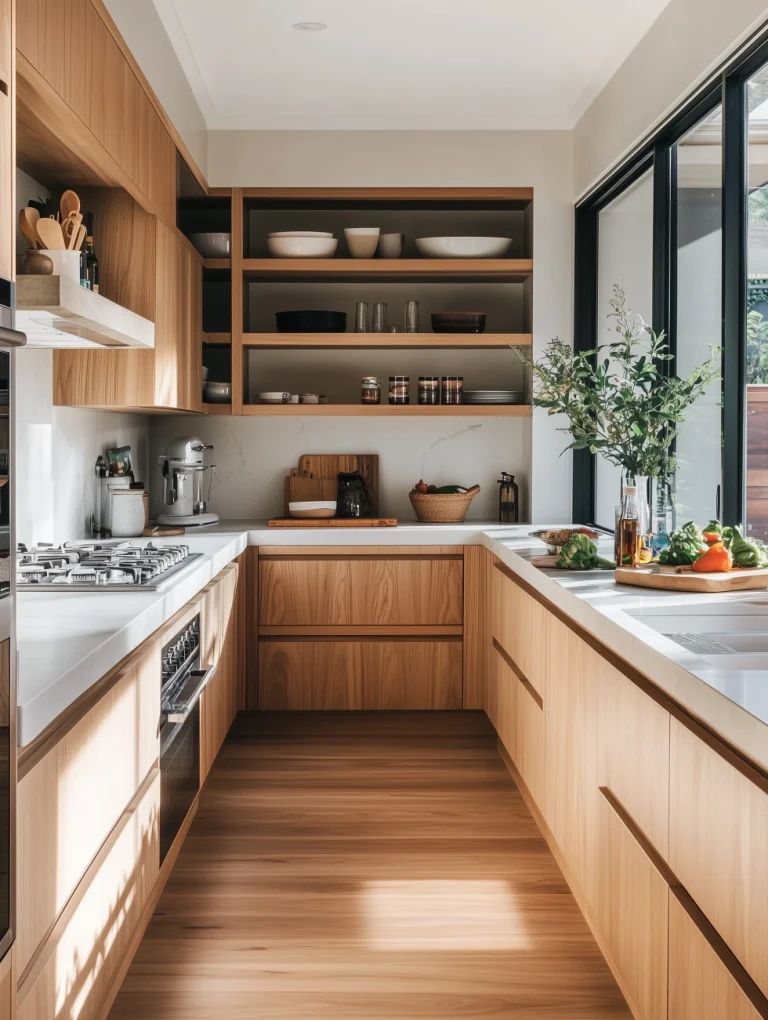
    5. Open Kitchen Layout for Small Homes

    Open kitchens are trending in modern Nepali apartments because they make small spaces feel larger.

    Features:

    • Connected to the living or dining area

    • Better natural light and ventilation

    • Social and modern look

    Pro Tips:

    • Use a breakfast counter or island (if space allows)

    • Maintain a consistent color palette in the living room

    • Use a chimney and proper ventilation to control cooking smells

    Best Color Schemes for Small Kitchens

    Colors can make or break a small kitchen.

    Recommended:

    • White and wood

    • Beige and warm grey

    • Soft pastels

    • Light sage green

    These shades make the kitchen look bigger, brighter, and cleaner.

    Lighting Tips for Compact Kitchens

    Good lighting makes a small kitchen feel spacious.

    ✔ Under-cabinet LED lights
    ✔ Ceiling panel lights for even brightness
    ✔ Warm pendant light for dining counter

    Avoid dark corners—they make the kitchen look smaller.

    Common Mistakes to Avoid

    ❌ Too many overhead cabinets
    ❌ Dark color schemes
    ❌ Poor ventilation
    ❌ Blocking natural light
    ❌ Oversized appliances

    Always choose compact, built-in appliances for small kitchens.

    A small kitchen doesn’t mean compromising on style or functionality. With the right layout, smart storage, and proper lighting, you can create a kitchen that feels spacious, modern, and highly efficient.

    The key is planning before execution—because in compact homes, good design is not a luxury, it’s a necessity.

     

  • How to Choose Sofa for Living Room

    How to Choose Sofa for Living Room

    Size, style, comfort & layout guide for modern homes

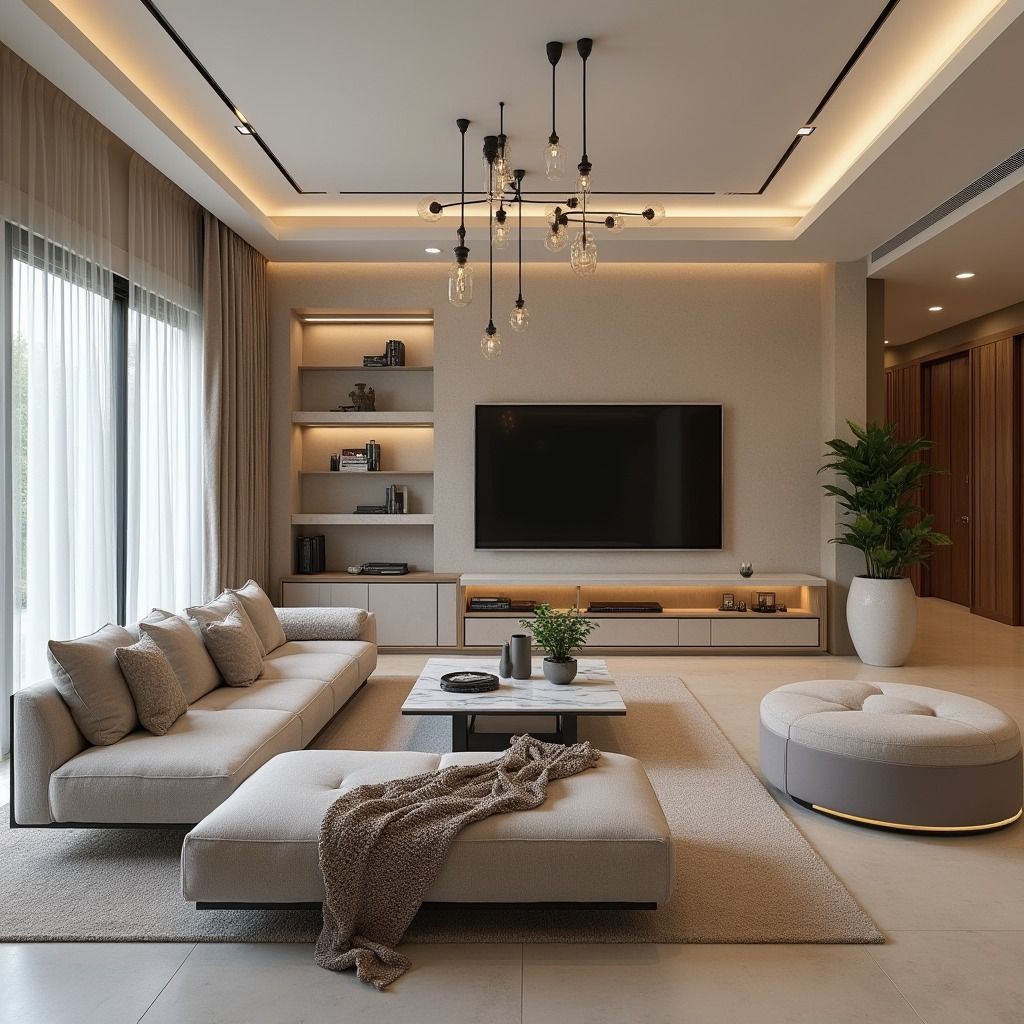
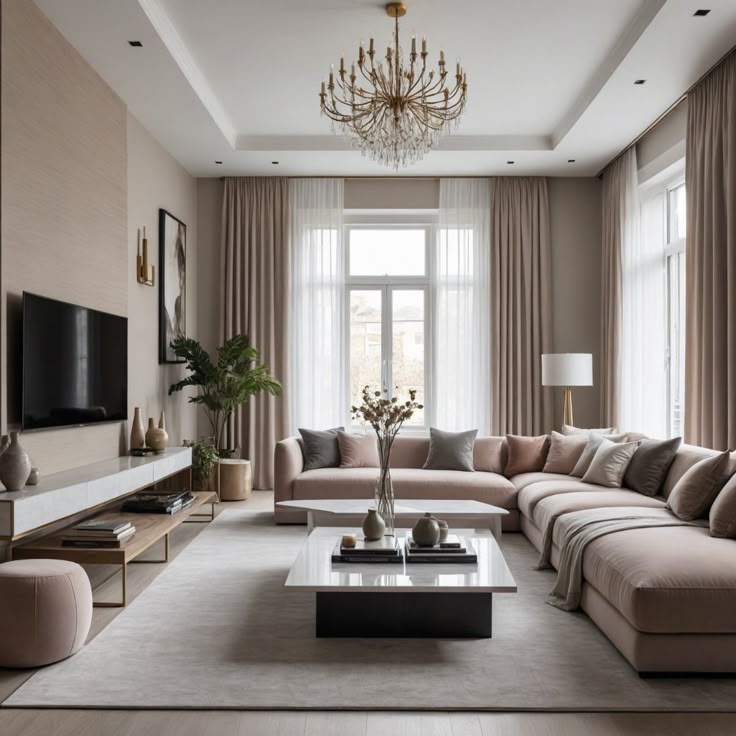
    A sofa is the focal point of any living room. It defines the space, adds comfort, and reflects your interior style. Choosing the right sofa is essential for both functionality and aesthetics, especially in modern Nepali homes where space planning plays a crucial role.

    This guide will help you select the perfect sofa for your living room based on size, layout, material, color, and budget.

    1. Measure Your Living Room Space

    Before buying a sofa, always measure:

    • Room length and width

    • Door and staircase access

    • Available wall space

    • Distance from the TV unit or the center table

    For small Nepali apartments, avoid bulky sofas. Instead, choose compact or L-shaped designs.

    2. Choose the Right Sofa Size

    For Small Living Rooms

    • 2-seater sofa

    • L-shaped compact sofa

    • Sofa with slim arms

    • Armless sofa for a minimal look

    For Medium Living Rooms

    • 3-seater sofa with accent chair

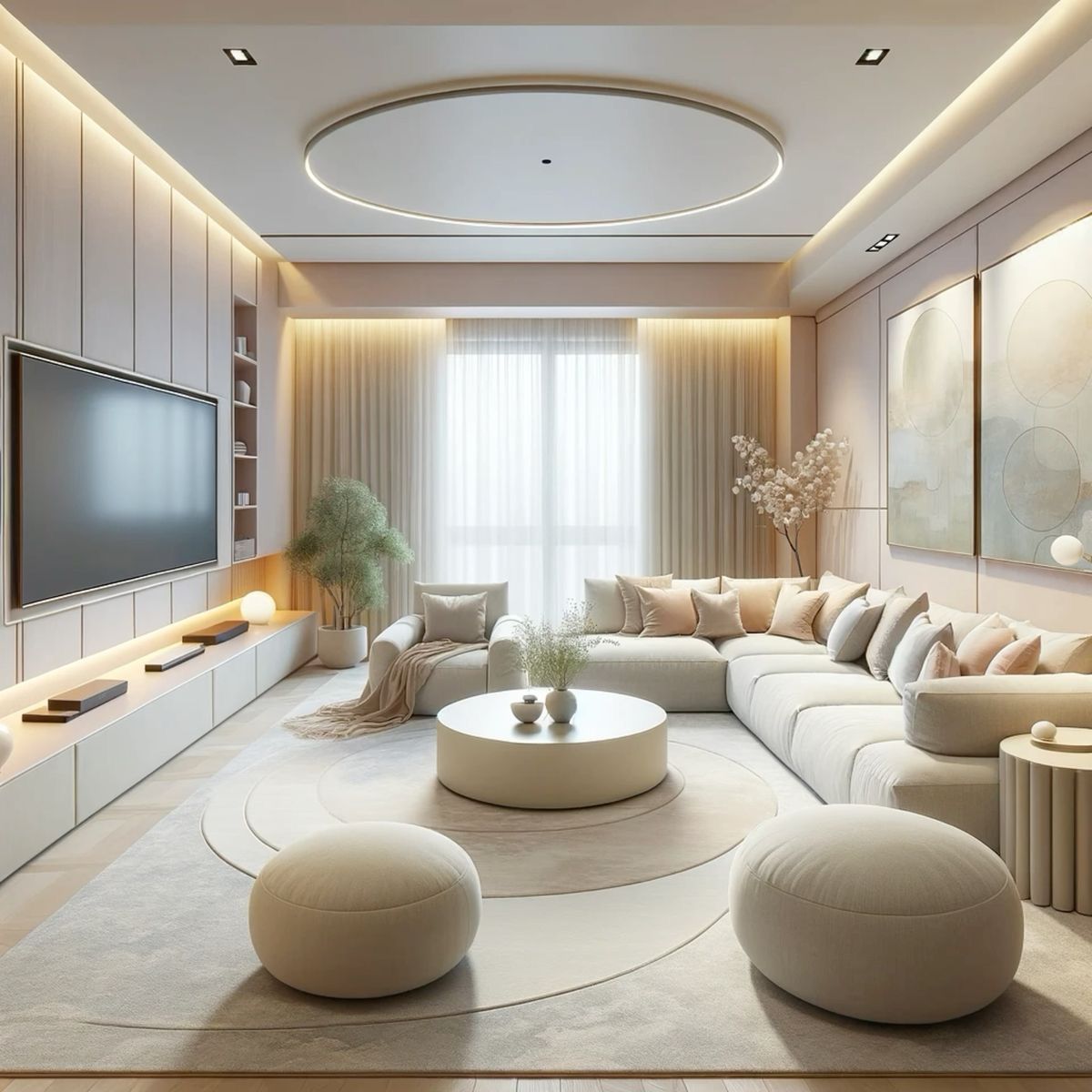
    • L-shaped sofa with center table

    For Large Living Rooms

    • U-shaped sofa

    • Sectional sofa

    • Sofa with ottoman or lounge

    3. Select the Best Sofa Layout

    L-Shaped Sofa

    Perfect for corners and small spaces.
    Maximizes seating without crowding the room.

    Straight Sofa (3-Seater)

    Ideal for minimalist interiors and narrow living rooms.

    Sectional Sofa

    Best for large families and spacious living areas.

    Sofa + Accent Chairs

    Creates a balanced and luxurious seating arrangement.

    4. Choose the Right Sofa Material

    In Nepal, durability and maintenance are crucial due to the presence of dust and daily use.

    Fabric Sofa

    ✔ Comfortable and breathable
    ✔ Available in many colors
    ✔ Budget-friendly
    ❌ Needs regular cleaning

    Leatherette Sofa

    ✔ Easy to clean
    ✔ Modern and sleek look
    ✔ Good for homes with kids
    ❌ Can feel warm in summer

    Velvet Sofa

    ✔ Premium and luxurious
    ✔ Perfect for modern interiors
    ❌ Requires maintenance

    5. Pick the Right Sofa Color

    Select a color that complements your living room’s theme.

    Safe Neutral Colors

    • Beige

    • Grey

    • Cream

    • Light brown

    These are perfect for Nepali homes and easy to maintain.

    Bold Colors for Statement Look

    • Navy blue

    • Emerald green

    • Mustard yellow

    Use bold sofas only if your walls and decor are neutral.

    6. Check Sofa Comfort & Cushion Quality

    A beautiful sofa is useless if it is not comfortable.

    Look for:
    ✔ High-density foam
    ✔ Good back support
    ✔ Proper seat depth
    ✔ Strong wooden frame (sal wood or hardwood)

    Always test before buying.

    7. Consider Storage Sofas for Small Homes

    For compact Nepali apartments, a sofa with storage is a smart solution.
    You can store:

    • Blankets

    • Cushions

    • Seasonal items

    This helps keep the living room clutter-free.

    Step 8: Match Sofa with Interior Style

    Modern Living Room

    Choose:

    • L-shaped sofa

    • Neutral fabric

    • Metal or wooden legs

    Traditional Nepali Living Room

    Choose:

    • Wooden frame sofa

    • Warm fabric tones

    • Carved details

    Minimalist Interior

    Choose:

    • Straight-line sofa

    • Light colors

    • Slim design

    9. Budget Planning for Sofa in Nepal

    Budget Range Tips

    • Fabric sofa → affordable option

    • Leatherette → mid-range

    • Velvet or custom sofa → premium

    Invest in quality frame and foam for long-term durability.

    Common Mistakes to Avoid

    ❌ Buying an oversized sofa for a small room
    ❌ Choosing a light color in high-traffic homes
    ❌ Ignoring walkway space
    ❌ Not checking door access size
    ❌ Focusing only on design, not comfort

    Choosing the right sofa for your living room is all about size, comfort, layout, material, and color balance. For Nepali homes, space-saving designs, durable materials, and neutral tones work best.

    A well-selected sofa can transform your living room into a stylish, functional, and comfortable space for family and guests.

  • Vastu-Friendly Interior Design Tips for Homes

    Vastu-Friendly Interior Design Tips for Homes

    Create a balanced, peaceful, and positive living space with smart design choices

    Designing a home is not only about aesthetics; it is also about energy flow, functionality, and emotional comfort. In Nepal and across South Asia, Vastu Shastra plays a significant role in interior planning. A Vastu-compliant home is believed to attract positivity, prosperity, and well-being.

    In this guide, we share practical Vastu-friendly interior design tips that blend traditional principles with modern interiors.

    What is Vastu Shastra in Interior Design?

    Vastu Shastra is an ancient architectural science that focuses on directional alignment, spatial planning, and energy balance. When applied to interiors, it helps in:

    • Improving natural light and ventilation

    • Enhancing positive energy flow

    • Creating functional and harmonious layouts

    Today, many homeowners prefer modern Vastu interiors that look stylish while following these principles.

    1. The Welcoming Entrance (North or East)

    Your main door is the “gateway to fortune.” According to Vastu, the entrance should ideally face North, East, or North-East.

    • Keep it Bright: Ensure the entryway is well-lit. Use warm bulbs to create an inviting glow.

    • Declutter: Avoid placing shoe racks or dustbins directly in front of the door, as they block positive energy.

    • The Nameplate: A nameplate isn’t just for mail; it “commands” ownership and positivity. Wood is preferred for North/East doors.

    2. Living Room: The Social Hub

    The living room should ideally be in the East or North. This is where you connect with the world, so the energy needs to be vibrant yet grounded.

    • Furniture Placement: Place heavy furniture (sofas, cabinets) in the South or West direction.

    • Electronic Zen: Keep your TV and electronics in the Southeast corner.

    • Colors: Opt for soothing shades like white, beige, or light blue. Avoid dark, moody colors that can make the space feel heavy.

    3. The Kitchen: Managing the Fire Element

    The kitchen represents the fire element, which governs your health and metabolism. The ideal location is the South-East corner of the home.

    • The Stove: Ensure the cook faces East while cooking. This is believed to bring prosperity to the household.

    • Water vs. Fire: Keep the sink and the stove as far apart as possible. Water and fire are opposing elements; placing them side-by-side can create domestic tension.

    • Storage: Keep grains and heavy pantry items in the South or West walls.

    • Colors: Light and vibrant colors like green, yellow, or orange are auspicious for kitchens.

    4. Bedroom: The Zone of Rest

    For a restful sleep and strong relationships, the master bedroom should be in the South-West.

    • Head Direction: Always sleep with your head pointing South. This aligns your body’s magnetic field with the Earth’s, promoting deeper REM sleep.

    • Mirror Magic: Avoid placing a mirror directly opposite the bed. If your reflection is visible while sleeping, it’s said to cause nightmares or health issues. If you can’t move it, cover it with a cloth at night.

    • No Gadgets: Keep the bedroom a “tech-free” zone to prevent the Air element from becoming too turbulent.

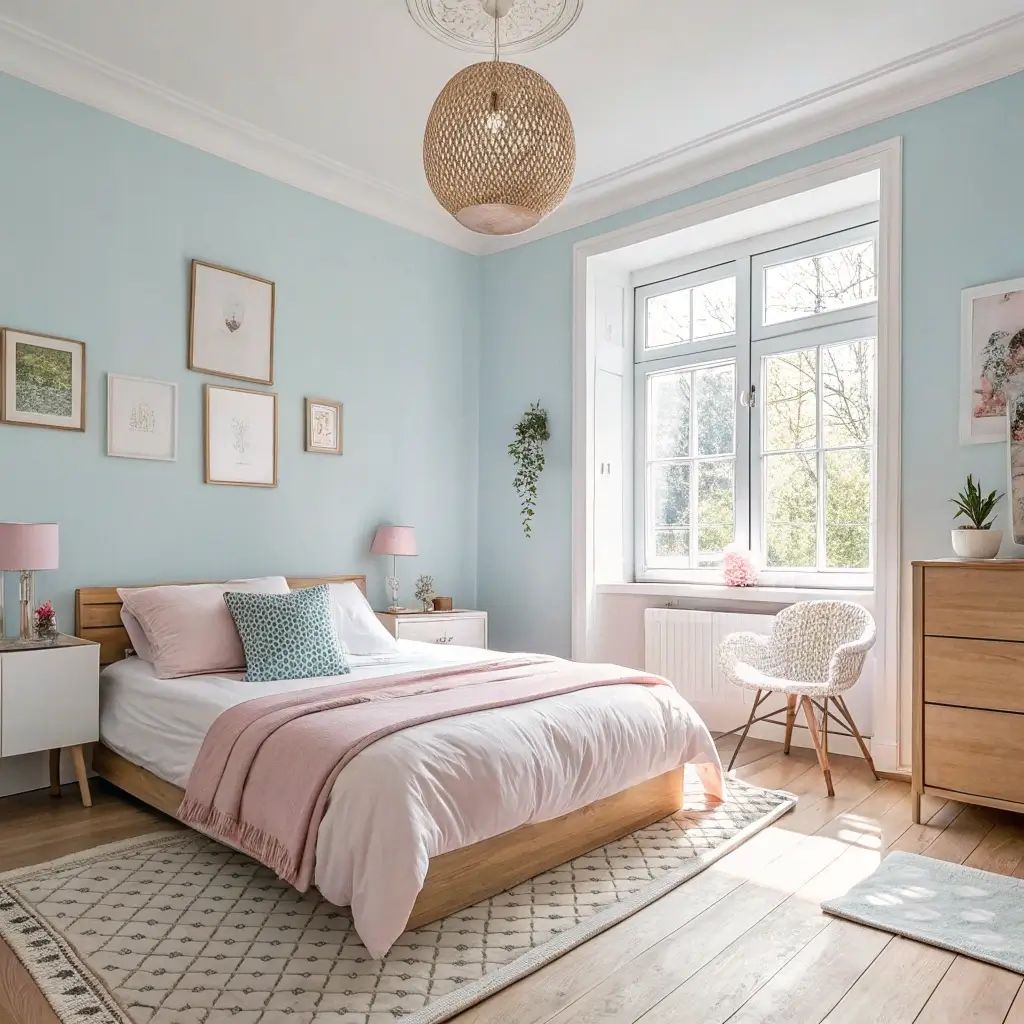
    • Colors: Soft and soothing colors like light blue, green, pink, or cream are ideal for bedrooms, promoting tranquility.

    5. Dining Area: Fostering Togetherness

    The dining area is where families connect over meals, and Vastu can enhance this bonding experience.

    • Location: The dining area is best placed in the West, East, or North direction of the house.

    • Dining Table: Choose a square or rectangular dining table, as these shapes are considered auspicious and promote stability.

    • Seating: The head of the family should ideally sit facing East, while others can face East, North, or West.

    • Mirrors: A mirror reflecting the dining table is considered highly auspicious as it symbolizes abundance and replenished food.

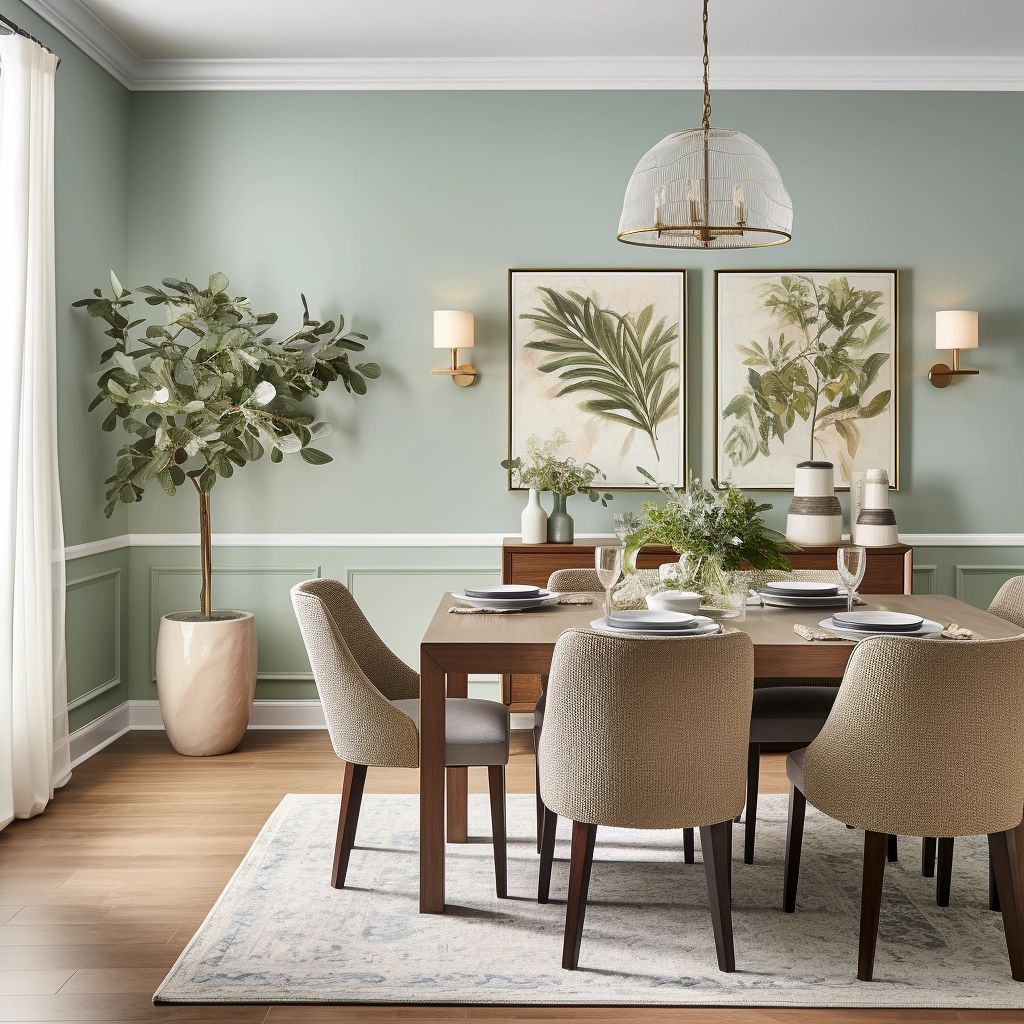
    • Colors: Warm and inviting colors like light green, yellow, or cream can enhance appetite and conversation.

    6. Bathroom: Dispelling Negative Energy

    While bathrooms are often associated with waste, proper Vastu can help minimize their negative impacts.

    • Location: Ideally, bathrooms should be in the Northwest direction of the house. Avoid placing them in the Northeast or Southwest.

    • Toilet Placement: The commode should be aligned along the North-South axis, meaning the person using it faces North or South.

    • Doors: Always keep bathroom doors closed to prevent negative energy from flowing into other parts of the house.

    • Colors: Light and neutral colors like white, cream, or light grey are recommended for bathrooms.

    • Ventilation: Ensure good ventilation to keep the space fresh and dry, preventing stagnant energy.

    Benefits of Vastu-Compliant Interiors

    A Vastu-friendly home can:

    • Improve mental peace and comfort

    • Enhance productivity

    • Promote better sleep quality

    • Create a positive and welcoming atmosphere

    Whether you fully follow Vastu or apply selected principles, the goal is to design a home that feels balanced, functional, and harmonious.

    Vastu Shastra is not about rigid rules; it is about aligning your home with natural energy flow. By combining Vastu principles with modern interior design, you can create a space that is both beautiful and meaningful.

    If you are planning a new home or renovation, incorporating Vastu-friendly interiors can help you achieve aesthetic appeal, functionality, and positive living energy.

  • Balcony Design Ideas for Apartments

    Balcony Design Ideas for Apartments

    For many apartment dwellers in Nepal, the balcony is often an overlooked space. It becomes a storage area, a laundry drying rack, or simply an extension of the living room with little personality. But what if we told you your balcony holds immense potential to be a stunning, functional, and deeply personal outdoor oasis?

    At Interior Design Nepal, we believe every space, no matter how small, deserves to be celebrated. Your apartment balcony is no exception! With a little creativity and thoughtful design, you can transform it into a serene reading nook, a vibrant mini-garden, a cozy dining spot, or even a zen meditation corner.

    Ready to unlock your balcony’s full potential? Let’s dive into some inspiring design ideas tailored for an apartment!

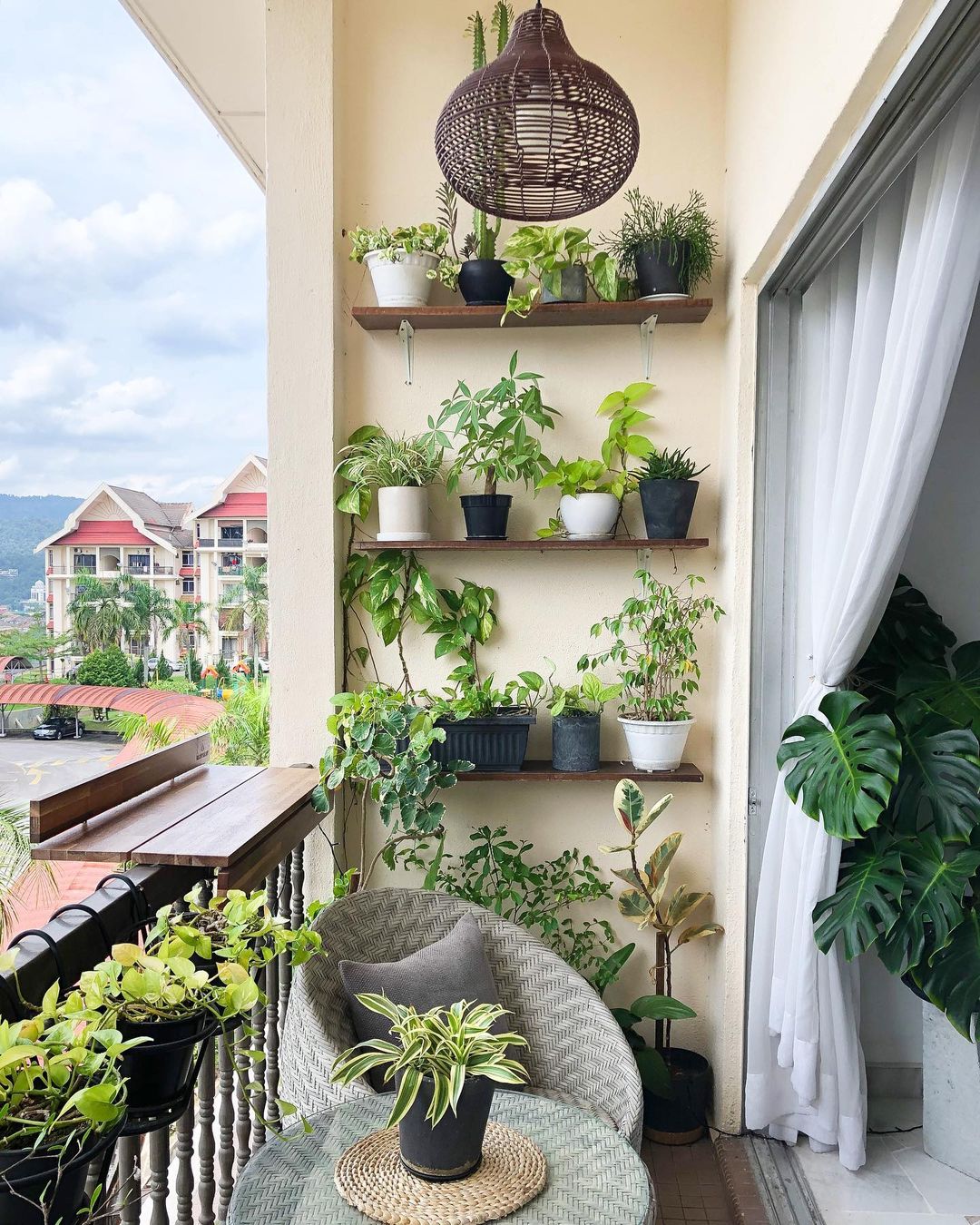
    1. Green Balcony with Plants & Vertical Gardens

    A green balcony brings freshness and calm into apartment living, especially in busy urban areas.

    Ideas to Try:

    • Hanging planters and railing-mounted pots

    • Vertical garden panels for herbs or flowers

    • Low-maintenance indoor-outdoor plants like money plant, snake plant, or ferns

    Benefits:

    • Improves air quality

    • Adds natural beauty

    • Creates a peaceful vibe

    2. Small Balcony Design with Smart Furniture

    Most apartments in Nepal have limited balcony space, so choosing the right furniture is key.

    Design Tips:

    • Use foldable chairs and tables

    • Wall-mounted seating or narrow benches

    • Compact bistro sets for tea or coffee corners

    Best for: Small apartments, studio flats, and rental homes
    Pro tip: Opt for weather-resistant materials like metal, treated wood, or plastic rattan.

    3. Cozy Balcony Seating for Relaxation

    Turn your balcony into a cozy retreat after a long day.

    How to Style It:

    • Floor seating with cushions or poufs

    • Outdoor rugs for warmth and texture

    • Soft throw pillows in neutral or earthy tones

    This style works perfectly for evening tea, reading, or meditation.

    4. Modern Minimalist Balcony Design

    For those who love clean and elegant interiors, a minimalist balcony design is ideal.

    Key Elements:

    • Neutral colors like white, grey, beige, or wood tones

    • Simple furniture with clean lines

    • Minimal décor with one or two statement pieces

    This design style pairs beautifully with modern apartments and contemporary interiors.

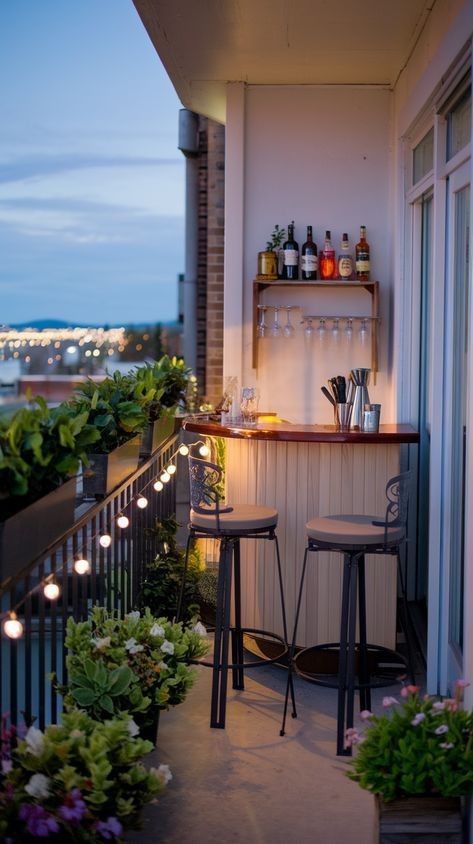
    5. Balcony Lighting Ideas for Evening Ambience

    Lighting can completely transform the look of your balcony.

    Popular Lighting Options:

    • Warm LED string lights

    • Wall-mounted outdoor lights

    • Solar lanterns or floor lamps

    Good lighting makes your balcony usable even at night and adds a cozy, welcoming atmosphere.

    6. Functional Balcony for Work or Utility

    Balconies can also be practical spaces.

    Functional Uses:

    • Compact work-from-home setup

    • Laundry drying area with concealed racks

    • Storage benches for cleaning or gardening tools

    Smart planning ensures your balcony is both useful and stylish.

    7. Balcony Flooring Ideas for Apartments

    Flooring plays a big role in balcony design.

    Best Options:

    • Anti-slip outdoor tiles

    • Wooden deck tiles

    • Artificial grass for a fresh look

    Choose materials that are durable, water-resistant, and easy to maintain, especially during the monsoon season.

    Why Balcony Design Matters in Apartments

    A well-designed balcony:

    • Enhances overall home aesthetics

    • Adds usable living space

    • Increases property value

    • Improves mental well-being

    Even a small balcony, when designed thoughtfully, can make a big difference.

    Your apartment balcony is an extension of your home, and with a little love, it can become your favorite spot. Whether you dream of a lush garden, a cozy reading nook, or a chic dining area, the possibilities are endless.

    Ready to transform your balcony? Contact Interior Design Nepal today for professional interior and exterior design services across Nepal.